
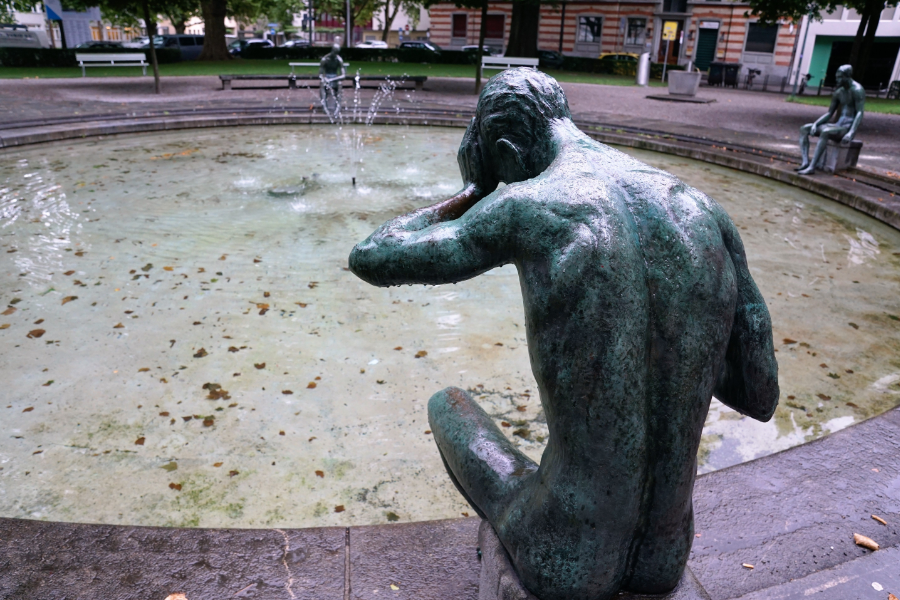
Part of the “Weight of Expectations” series inspired by themes in the novel The Preacher’s Son
Some expectations are easier to carry than others. The ones that come from distance—from people who don’t know us well or from environments we can step away from—can often be set aside without much difficulty. But expectations from people who believe in us tend to feel different. They carry a kind of weight that is harder to ignore, not because they are imposed, but because they are rooted in something more personal.
When someone believes in you, it can feel like a gift. It creates a sense of trust, of affirmation, of being seen for something meaningful. It can encourage growth, build confidence, and push you toward becoming a better version of yourself. In many ways, those expectations can be a source of strength. But they can also introduce a quieter tension, because belief comes with the possibility of disappointment—and for many people, that possibility carries more weight than the expectations themselves.
It’s one thing to fall short in front of someone who doesn’t know you. It’s another to feel like you’ve let down someone who has invested in you, supported you, or seen something in you that you’re not sure you can fully live up to. That kind of fear isn’t always obvious. It doesn’t always show up as anxiety or hesitation. More often, it appears in smaller ways—in the choices we make, in the risks we avoid, and in the things we choose not to say or pursue.
Over time, that fear can begin to shape behavior, not because anyone is demanding anything, but because the cost of disappointment feels too high. We adjust. We stay within the lines. We move carefully. We continue forward, but often within the boundaries that feel safest for maintaining the expectations others have placed on us.
In The Preacher’s Son, Caleb Boone carries that tension in a quiet but persistent way. The expectations tied to his role aren’t only about tradition or community—they are also connected to relationships, to people who believed in him and continue to see him through a certain lens. That makes the weight more complicated. It’s not just about stepping outside of expectation; it’s about what that step might mean to the people who have placed their trust in you.
For many people, the fear of disappointing others becomes a kind of internal boundary. It shapes decisions before they are fully formed. It encourages caution when instinct might suggest otherwise. And over time, it can blur the line between living authentically and living in a way that preserves the expectations of others. That doesn’t mean those expectations are wrong. In many cases, they come from care, from encouragement, from a genuine desire to see someone succeed. But even well-intentioned expectations can become limiting if they are never questioned.
At some point, the question becomes less about whether we will disappoint someone, and more about what it means to live honestly with ourselves. Because avoiding disappointment may preserve a relationship or a perception, but it may also come at the cost of something quieter, and harder to recover—the sense that we are no longer fully choosing our own path.
A Question to Consider
Have you ever held back from a decision or a direction because you were afraid of disappointing someone who believed in you?
Join the Conversation
If this idea resonates with you—or if your experience has been different—I’d be interested to hear your perspective in the comments. Thoughtful reflection and respectful disagreement are always welcome here.
Follow the Series
If you’d like to follow along as the series continues, consider subscribing to the blog so you’ll receive a notification each Wednesday when the next post is published.
Leave a Reply