
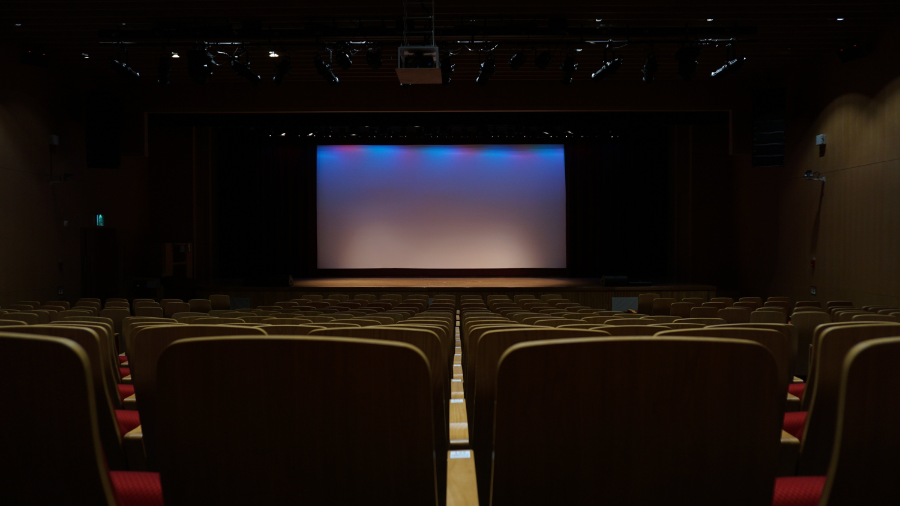
Part of the “Weight of Expectations” series inspired by themes in the novel The Preacher’s Son
Some expectations don’t disappear when people stop watching. They stay with us, shaping how we think, how we act, and sometimes even how we see ourselves. They don’t need an audience anymore, because over time, we become the audience.
It rarely happens all at once. At first, awareness comes from the outside—from the people around us, the environments we move through, the communities that begin to define us. We learn what is expected. We learn what fits and what doesn’t. We learn how to adjust. But over time, something shifts. The external pressure fades, and what remains is something quieter but often more persistent.
We begin to carry those expectations with us.
In many ways, this is how identity becomes shaped not just by what others see, but by what we believe others might see. We anticipate reactions before they happen. We measure our choices against standards that may no longer even be present. And we make adjustments, not because someone is asking us to, but because it feels natural to do so.
That’s the invisible audience.
It’s the sense that someone is watching, even when no one is there. It’s the quiet voice that asks whether something is appropriate, acceptable, or aligned with who we’re supposed to be. It’s not always negative. In some cases, it helps guide behavior. It can reinforce discipline, encourage consistency, and create a sense of accountability.
But it can also create a kind of distance between who we are and how we live.
Because when we’re constantly aware of how something might be perceived, it becomes harder to act freely. Decisions become filtered. Words become measured. Even thoughts can begin to feel like they need to be managed.
Over time, that awareness can become so familiar that we stop noticing it altogether. It simply becomes part of how we move through the world.
In The Preacher’s Son, Caleb Boone carries that kind of awareness with him long after he leaves the environment that helped shape it. The expectations tied to who he was don’t disappear just because his surroundings change. They remain present in quieter ways, influencing how he thinks, how he responds, and how he evaluates himself.
And that experience isn’t limited to any one kind of background. It shows up in different forms across different lives. Anyone who has grown up in a structured environment—whether it’s a family, a community, a profession, or a belief system—has likely experienced some version of it.
The invisible audience isn’t made up of specific people. It’s made up of internalized expectations.
And the longer those expectations are carried, the more natural they begin to feel.
Which raises a question that isn’t always easy to answer.
Are we making choices based on who we are?
Or based on who we’ve learned to be?
A Question to Consider
Have you ever found yourself adjusting your behavior, even when no one else was there to notice?
Join the Conversation
If this idea resonates with you—or if your experience has been different—I’d be interested to hear your perspective in the comments. Thoughtful reflection and respectful disagreement are always welcome here.
Follow the Series
If you’d like to follow along as the series continues, consider subscribing to the blog so you’ll receive a notification each Wednesday when the next post is published.
Leave a Reply